Spring Awakening (April 10, 2012)

When I became aware that I  was walking down the street holding his hand with a naked wrist and no concept of time, and I didn’t even care to look for a bank clock, I knew I was changing.

When a white blonde-headed little moppet about the age of 7 stuck her head from the side window of her parents’ minivan to yell “Ew!” with authority as we kissed and embraced on a heavily-trafficked street, and my first thought was not shame or self-consciousness, but laughter, I was certain I was altered.

As we walked into a local haberdashery and I donned a white hat, circa 1930, that might look well at home on the head of Chicago’s seductive murderess Velma Kelly, and I vamped it up for my companion as he complimented me, instead of changing the subject and turning red, it seemed very clear that a metamorphosis had taken place, a silent sea change.

It didn’t occur to me to overthink the reasons I hadn’t been invited to the family Easter dinner, to wonder for the millionth time why I have to be such a damned square peg trying to contort myself into a round hole. I was too busy sitting peacefully on a park bench, watching a waterless fountain and the children climbing in and out of its troughs, my head resting comfortably on his shoulder.

I never believed a dark chocolate bunny in a faux wire cage could break my heart with its message of simple understanding and devotion. I never imagined I could love something edible that much and not for a second wish to consume it.

I couldn’t anticipate that the random non-sequiturs for which I am famous, the kind of clumsiness that would make a circus clown enviousness of technique, the way I open wine bottles with my teeth when the cork gets stuck – instead of demanding forgiveness for these quirks, he would thank me for having them.

I failed to imagine that lying between strength and heat personified, bookended by a tiny gray and white cat with a pink nose, would be the most heavenly, restful sensation imaginable; that I would prefer to lie there wordlessly, sensing for the first time that creating sound to fill the space would only subtract, not add.

The only mystery that needed solving that day is why the old, cavernous bookstore to which he guided me, knowing I would delight in the endless rows of musty volumes, didn’t carry more of Margaret Atwood’s work.

Under no circumstances did I believe I could feel better, stronger, more confident, even sexy and powerful, simply knowing he is out there in the same city loving me.

And it seems utterly impossible that the solicitous guardian of my well-being, the one who tends to me when I am sick, who provides for my stomach, mind and soul while inspiring me everyday with his own work and passions, could be the very same man my heart wants.

Losing Time (March 26, 2012)

fanart_siu_LOSTWATCH


Nearly a week ago, I lost my watch. The prevailing theory is that I left it in one of the cubbyholes in the room where kickboxing class is held at the gym. At the time and for several days afterward, the property misplacement was devastating in ways that had nothing to do with net worth. The timepiece was an eight year-old Fossil watch with a scratched face that survived multiple battery changes and journeys overseas to India, Israel and England. It was a trusty companion that served me well in perpetuating the lie that being able to check the time asserted some form of control over the universe.

In years past, the deprivation of my wristwatch produced a Pavlovian response. As if pulled to the nearest kiosk by tractor beam, I would plunk down the money for a new monitoring device that met the same relative specifications: waterproof (so I never had to remove it in the shower or while swimming), tight-fitting with a metal band (so it never required adjusting or displayed visible wear and tear) with a face small enough to be tucked under the sleeve without creating an unsightly bump.

Subsequent to the loss of the latest tether to a 24/7 lifestyle, I have come to realize that I viewed my watch as something much more than a way to track hours and minutes. It was, quite literally, a part of my body, a vital organ requiring replacement in the event of defect or bereavement (the latter word chosen purposefully). Rather than a tool of empowerment, the watch had become a merciless taskmaster, and I an obsessive devotee to marking the passage of time, breaking the units down into pieces of evidence of industry, self-worth and value. The evaluation of the day and my own use of it was reduced to how much time I had wasted.

As I mature, it’s become glaringly obvious that some of the coping mechanisms I historically used to make sense of the world and navigate through it are not as effective as they once were. And in this case, I wasn’t able to fool myself into accepting the ego’s hypothesis that a naked left wrist required redress simply because digging a Blackberry out of my purse to tell the time was a hassle. Instead I forced an awareness of the knee-jerk panic experienced as I emptied my gym bag and sat down to think it out.

Raised in a home of disorder, chaos and cruelty, where regular tollgates and deadlines were treated as annoying encumbrances to be discarded, I don’t need to lie on Freud’s couch to draw the conclusion that consistent watch ownership lulled me into a false sense of security. The tax man, the angry bookie and the repossessing bank could never show up at my door with an enforced system of hypervigilance.

I have not purchased a new watch and I am not going to. Somehow the Earth has not rotated off its axis without the instant ability to know where I am in the 24-hour cycle of human existence. My latest fixation is to wonder how long the phantom limb sensation will persist. When will I cease checking my unadorned wrist for the accessory my subconscious was trained to believe it cannot do without?

In Memory Of Aai (March 20, 2012)

I looked for a photo in my personal archives that I could share with anyone who stops by to read this post, but unfortunately the prints in the wedding album from December 2007 are all that I have. Today I experienced a loss which dredges up so many difficult, conflicting emotions. A formidable woman in physical stature (almost 5′ 10″) and strength of character passed away after a long illness, my former grandmother-in-law, Mrs. Sudha Sarwate. I only knew her as “Aai.”

I am no longer married to my ex-husband Aditya but the funny thing about divorce is, you may split with your partner but family is forever. When you enter into and build a romantic relationship of any type, your mate’s loved ones are part of the package. With the right chemistry and symbiosis, they can infect your heart and soul in ways you never imagined. I firmly believe that one of the most gut-wrenching side effects to ending a marriage is losing a whole network that provides you with an identity, a place where you belong. The experience becomes more profound when you have gone without strong kinship for most of your life.

Aai was always the one to create a sense of security for her family. She was an impressive individual in so many ways – a working middle-class mom in India long before that was common practice. Moreover, she earned the degree that established her as an educator and school principal after marrying and becoming a mother. Here in the U.S. we take that sort of upward mobility and personal growth for granted, but keep in mind that this occurred in a Third World country in the 1960s. She was a pioneer without ever making a big deal about it.

The statuesque Aai broke with convention in many ways, while always making clear to her family and the society around her that husband and children were priority #1. Preceding our marriage, my future father-in-law suspected that, regardless of the language barrier (she spoke very little English, and I no Hindi), Aai and I might have a mutual understanding.

I respected her energy, the ability to balance work and home without complaint, immensely. She in turn welcomed a gauche American girl into a traditional family with open arms, and knit her a sweater for the “cold” Raipur nights to boot. We picked out the yarn to make it at a street vendor. I am staring at that burnt orange wool sweater with the hole I have been meaning to get mended as I type.

She was a loving and devoted family woman who never lost her thirst for learning. I tried to grasp Hindi while she took English lessons, and Aai of course, well into her 70s, rendered the paradigm that memory deteriorates with age laughable. I couldn’t keep up with her.

Several months before I met her in person for the first time, Aai lost her beloved husband of over 50 years, Waman Sarwate, the grandfather-in-law I never had the chance to know. Already beset with heart problems, Dada’s passing in 2007 shook this rock solid woman. In subsequent times of crisis or illness, it was not unusual for Aai to verbalize a wish to “go to” him. I know she was disappointed by the marital separation and eventual divorce that Aditya and I chose, the first in the family history. The regret of that additional burden brings pain.

While I feel personal grief, and sorrow by extension for my ex-husband, former in-laws and extended family, I am relieved that her physical suffering is over. I do not consider myself a religious woman but I hope Aai is at peace, reunited at last in some way with her beloved Waman.

I wish there were a way I could let Aai know how much her acceptance, love and positive example meant to me. This feeble post is the most I can offer now.

Romney: GOP Indifference Toward the Middle Class Personified (March 13, 2012)

mitt-romney-is-a-tool


Last week Republican primary co-front runner Mitt Romney demonstrated once again that neither he, nor his increasingly radical political party give a fig about the quality of life of America’s middle class. Multiple media outlets reported Romney’s compassionately conservative response to a struggling college student who queried him at a town hall meeting about the profoundly unaffordable costs of a college degree in the 21st Century

My favorite headline came courtesy of New York Magazine writer Jonathan Chait: “Mitt: Pay for Your Own Damn College!” Chait distilled Romney’s heartless rejoinder rather well. What Mittens actually said was:

“It would be popular for me to stand up and say I’m going to give you government money to pay for your college, but I’m not going to promise that. Don’t just go to one that has the highest price. Go to one that has a little lower price where you can get a good education. And hopefully you’ll find that. And don’t expect the government to forgive the debt that you take on.”

Charles Dickens first published his classic novel David Copperfield in 1850, featuring the villainous Uriah Heep, described in a Wikipedia entry as a character “notable for his cloying humility, obsequiousness, and insincerity, making frequent references to his own ‘humbleness.’ His name has become synonymous with being a yes man.”

It’s tempting to believe Dickens may have been clairvoyant in his creation of Heep, conjuring a future in which a quarter of a billionaire automaton can make like a living, breathing regular guy. I thought that the gold standard for radical right wing pandering had been provided by “Maverick” John McCain during the 2008 campaign, but McCain’s about faces on issues like immigration in order to secure his party’s trust simply don’t do Romney’s kowtowing justice. Is there anything this former moderate, somewhat socially liberal fraud won’t say to get the nomination?

In this case however, we have reason to suspect that Mittens said exactly what he means. After all, why should he care? He and every friend he has possess the cash and the Ivy League legacies to ensure that their offspring will go to the higher learning institutions of their choosing. It’s not they who will be saddled with debt after graduation. And if that “little lower price” degree from a state school that Romney so generously recommends for you should still run an average of $40,000 before factoring in room and board, well you’ve got two choices don’t you? A lifetime of debt or minimum wage. It’s your problem for not being born rich.

What’s perhaps more telling is Chait’s observation that Romney’s comments at the town hall were met with “sustained applause from the crowd at a high-tech metals assembly factory.” Now I am going to go out on a limb and hazard that attendees at a Romney gathering are going to lean mostly right, so ok, these folks were predisposed to drink in the bland Kool-Aid that is the Mitt brew. But factory workers cheering a candidate who unapologetically snubs his nose at the idea of affordable, universal education? How much longer can Republicans expect they are going to find willing accomplices within the hard working, low paid ranks of their base? Sooner or later the spell will be broken. It has to be.

Bold attacks on middle class infrastructure is nothing new to the GOP. You won’t hear them complaining about the stagnant wages of workers while CEO pay has skyrocketed. They have no qualms touting party planks that champion the withholding of rights from everyone from members of the gay community to females who wish to make decisions regarding their own bodies. But the blatant, sound-bite ready pride with which these candidates can look a student dead in the eye and tell them to toughen up, while boasting about the two Cadillacs in the driveway, is just sickening.

We Need to Talk About Jordan (March 6, 2012)

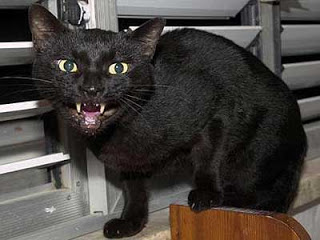
Mean Jordan

Rumor has it that Tilda Swinton was shafted during the recently concluded 2011 motion picture awards season. Critics and fans heaped praise upon the ginger actress’ performance in the film We Need to Talk About Kevin, which featured Swinton in the role of Eva, mother of Kevin Katchadourian. The film centers around Eva’s struggle to come to terms with her grief and shame after her troubled son launches a killing spree that includes a massacre at his high school and the murder of his father and little sister. In a post-Columbine, media-saturated, trenchcoat mafia world, Eva is living every parent’s worst nightmare, plagued with the suspicion that she might have seen all of this coming.

I haven’t seem the film but it’s on my master movie bucket list. As an avid fan of quality cinema, not to mention my fellow redheads, the picture might have captured my notice anyway. But I am the more invested in discovering how Swinton’s character comes to terms with her sorrow as I experience the same sense of dread and disgust wrapped in motherly affection in feline microcosm.

Jordan, my beautiful all-black, nearly eight year-old cat was a compromise made by my ex-husband Eddie four years ago. Our beloved elder statesmen, Snuggles Inky Bluemel-Sarwate was on his last legs at nearly 16 years of age. Both Eddie and I worked full-time, his job involving copious travel and to boot, I was finishing a Master’s degree in English Literature. Snuggy was left alone for long stretches of time and was beginning to be plagued by a variety of health problems. I couldn’t stand the guilt and after much tearful begging, Eddie agreed to let me adopt him a playmate.

Jordan came to us through the friend of a cousin, a woman expecting a baby in small living quarters. Though I was immediately concerned with Jordan’s skittishness (he spent the first three days of our acquaintance living under the couch), I believe it’s more than coincidence that Snuggy held on for another couple years. He and Jordan fought more than anything, but as neither had front claws and Snuggy appeared to enjoy a late in life challenge to his alpha maleness, I wasn’t too concerned.

It was only after we put Snuggy down in December of 2009 that I began to notice that the miracle cat who gave my beloved life partner (Snuggy, not Eddie) a second wind might be a little, shall we say…sociopathic. I have a friend who’s a trained veterinary assistant. He used to cat sit for us when we went away and one time in particular, he shared with me that he believed Jordan had “problems.”

Stop me if any of these personality traits sound familiar: possessive and territorial (driven by threats to the ego rather than affection), an autistic-like aversion to warmth and bonding, violent tendencies and unpredictable behavior. In short, after I left Eddie and moved into a place of my own, my only companion was Dexter.

These symptoms worsened when Jordy and I were forced into a major downgrade of living space: from 1300 square feet in Eddie’s rental condo to about 600 in my studio apartment. I have bitten for no reason or had my leg attacked without provocation so many times, there are instances where I put on pants even when the weather is sultry. I have a confession: I am afraid of an overweight kitty with no front claws (praise Jesus).

Like many idiosyncratic happenstances, I took my reputation as the lonely cat lady who ironically couldn’t cuddle her pet as part of life. I had bigger traumas to deal with last year.

But this year I am building a new life, one where I am single, cancer-free and happily devoid of drama. I even have myself a nice new boyfriend, a man with not one, not two but THREE adorable, cuddly and loving cats. When I spend time over at Steve’s apartment each unsolicited kitty kiss, each night spent with a warm, furry body curled next to my hip (I’m not talking about Steve), and each excited greeting at the door is both a tremendous joy and a knife to the heart. Another’s domestic bliss has a way of making it starkly clear that we’re doing without.

Here’s another confession: sometimes I wish with all my heart that I could trade Jordan for another cat. He’s like the Sistine Chapel – beautiful to look at but impossible to touch. That often makes me sad.

To complete the comparison to the Tilda Swinton character in We Need to Talk About Kevin, I ponder the nature/nurture question. Is Jordan nasty because he was born that way or am I just a really lax and terrible pet owner? Where did I go wrong?

Mostly I just feel lucky that he’s housebound and doesn’t go to school. There is no father or little sister to off. My relationship with Jordan is all about damage control. I’ve given up trying to get through.